
Justice Insight Training Portal
Understanding Conflict Theory in Criminology
This training module introduces Conflict Theory, one of the most influential criminological theories used to examine crime, law, and inequality in society.
Designer: Caitlin Dugan
Training Objectives
In this learning module you will learn:
-
What Conflict Theory is
-
The major concepts behind the theory
-
How power and inequality influence criminal justice
-
Real world examples of Conflict Theory in action
-
Why this theory matters today

What is Conflict Theory?
Conflict Theory is a criminological and sociological perspective that argues crime is shaped by social and economic inequalities.
The theory suggests that laws and criminal justice systems are often created by those in power to protect their interests, sometimes at the expense of lower social classes.

Power
Power refers to the ability of certain groups to influence laws, policies, and social institutions.
In criminal justice, powerful groups often shape:
-
Which behaviors are criminalized.
-
How laws are enforced.
-
Who receives harsher punishment.

Inequality
Conflict Theory emphasizes that unequal access to education, employment, housing and political influence can increase the likelihood of criminal behavior.
This often leads to unequal treatment within the justice system.
A main idea of this is that crime is often linked to structural disadvantage, not simply personal choice

Social Control
Social control refers to how institutions regulate behavior.
Examples include, police, courts, prisons and surveillance systems.
Conflict theorists argue these systems may disproportionately target marginalized communities.

Class Conflict
Conflict Theory argues that competition between social classes creates tension.
This tension can lead to:
-
Crime
-
Protest
-
Civil unrest
-
Unequal enforcement of laws.
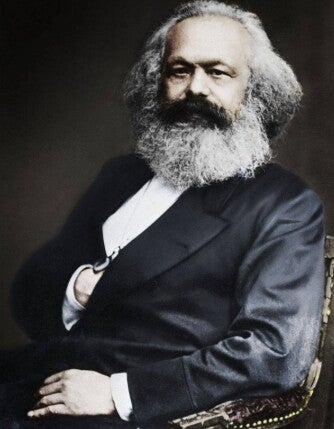
About Conflict Theory: The Origin
Conflict Theory was heavily influenced by Karl Marx, who believed society is divided into groups competing for power and resources.
Karl Marx developed the ideas behind Conflict Theory by studying how society was changing during the Industrial Revolution. He observed that factory owners and wealthy business leaders held most of the power and resources, while workers often faced poor conditions, low wages, and little control over their lives
Marx argued that society is divided into social classes and the wealthy control resources and institutions
He also believed that laws often reflect the interests of powerful groups.
Conflict Theory and the Criminal Justice System
Conflict Theory examines how the criminal justice system can reflect broader struggles between different social groups over power and resources. It argues that laws are not always neutral but are often shaped by those with greater political and economic influence. As a result, enforcement and punishment can vary depending on a person’s social status, race, or class.

justicetraining.com
Our location
501 East 38th St.
Erie, Pennsylvania, United States
Phone: (814) 865-0160
Email: cdugan56@mercyhurst.lakers.edu
Create Your Own Website With Webador